Learning programs
Children aged 4 to 6
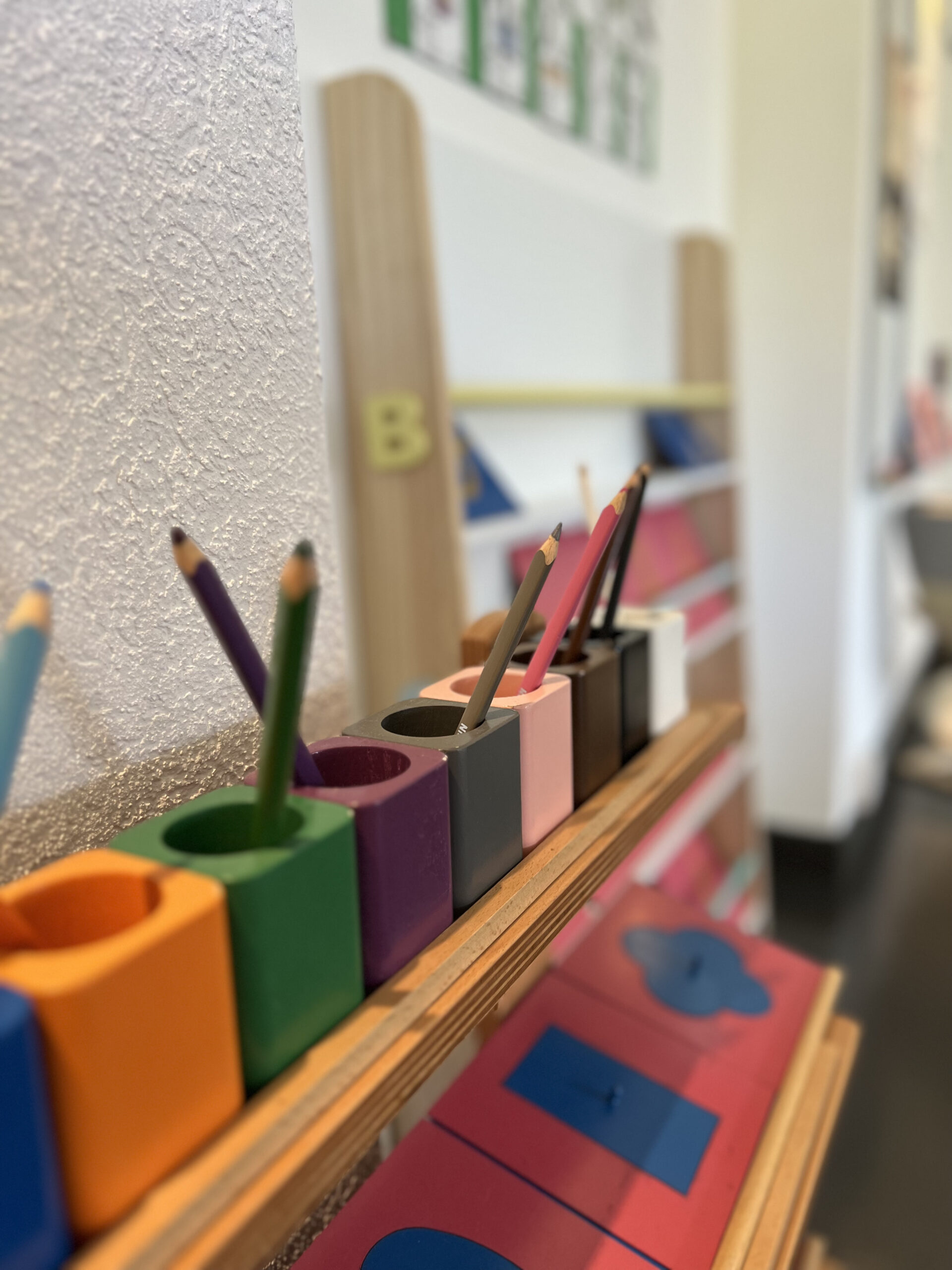
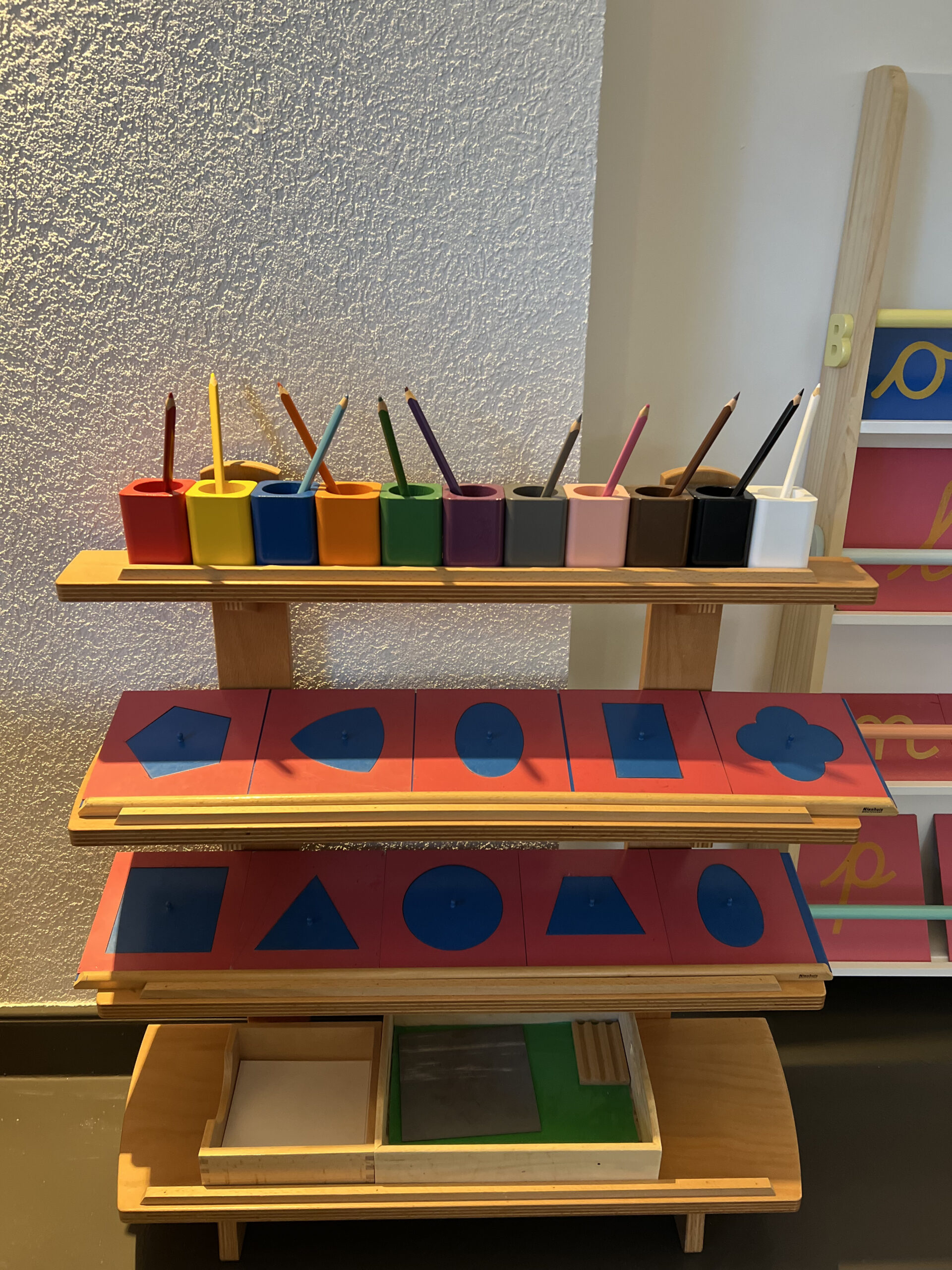
Our youngest students spend their mornings in a fully equipped Montessori classroom led by AMI-certified Montessori teachers. Everything there is carefully designed to foster independence, concentration, and confidence and to take advantage of the “sensitive periods” of early childhood, those moments when young children so naturally absorb language, order, and movement.
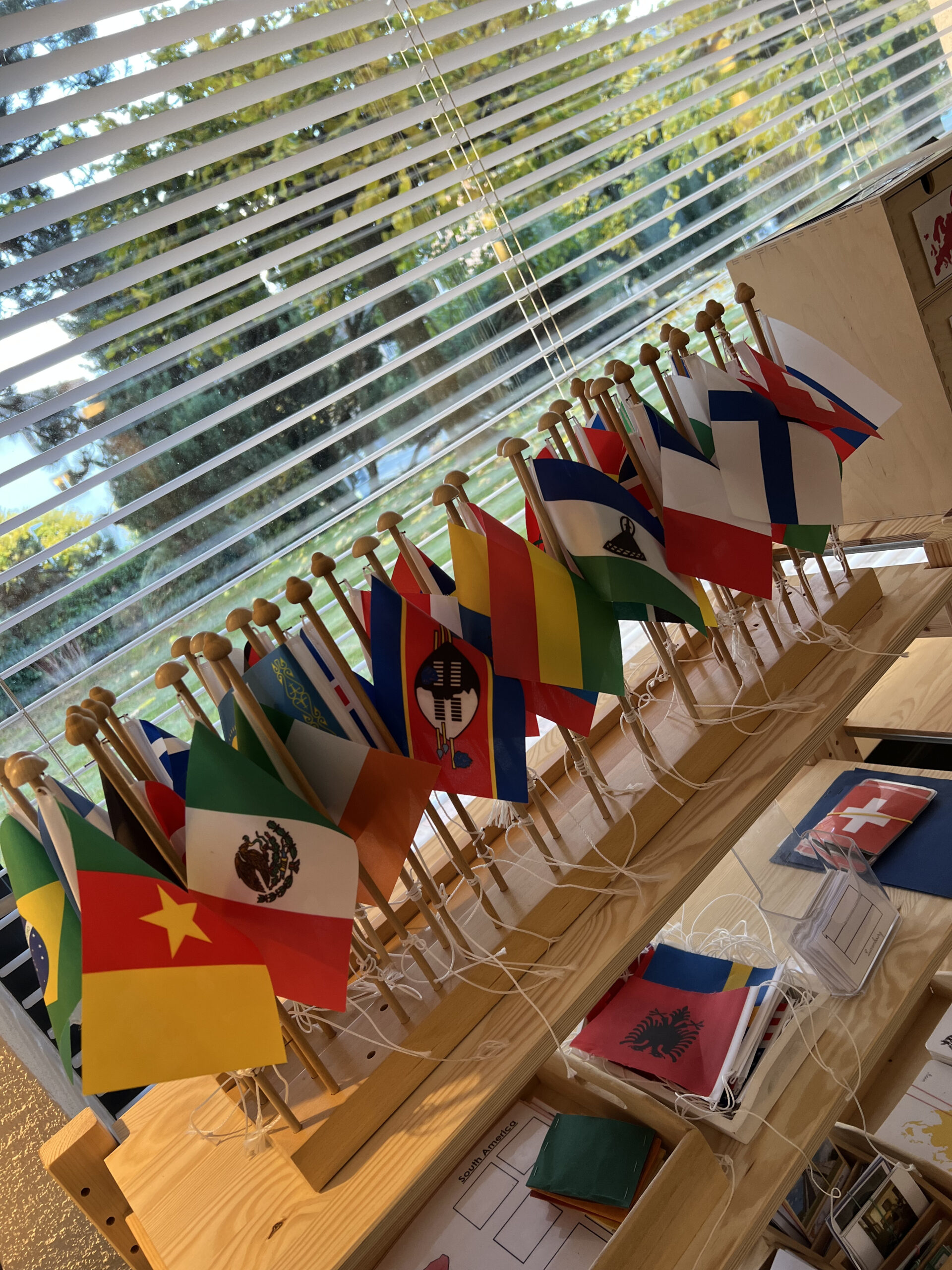
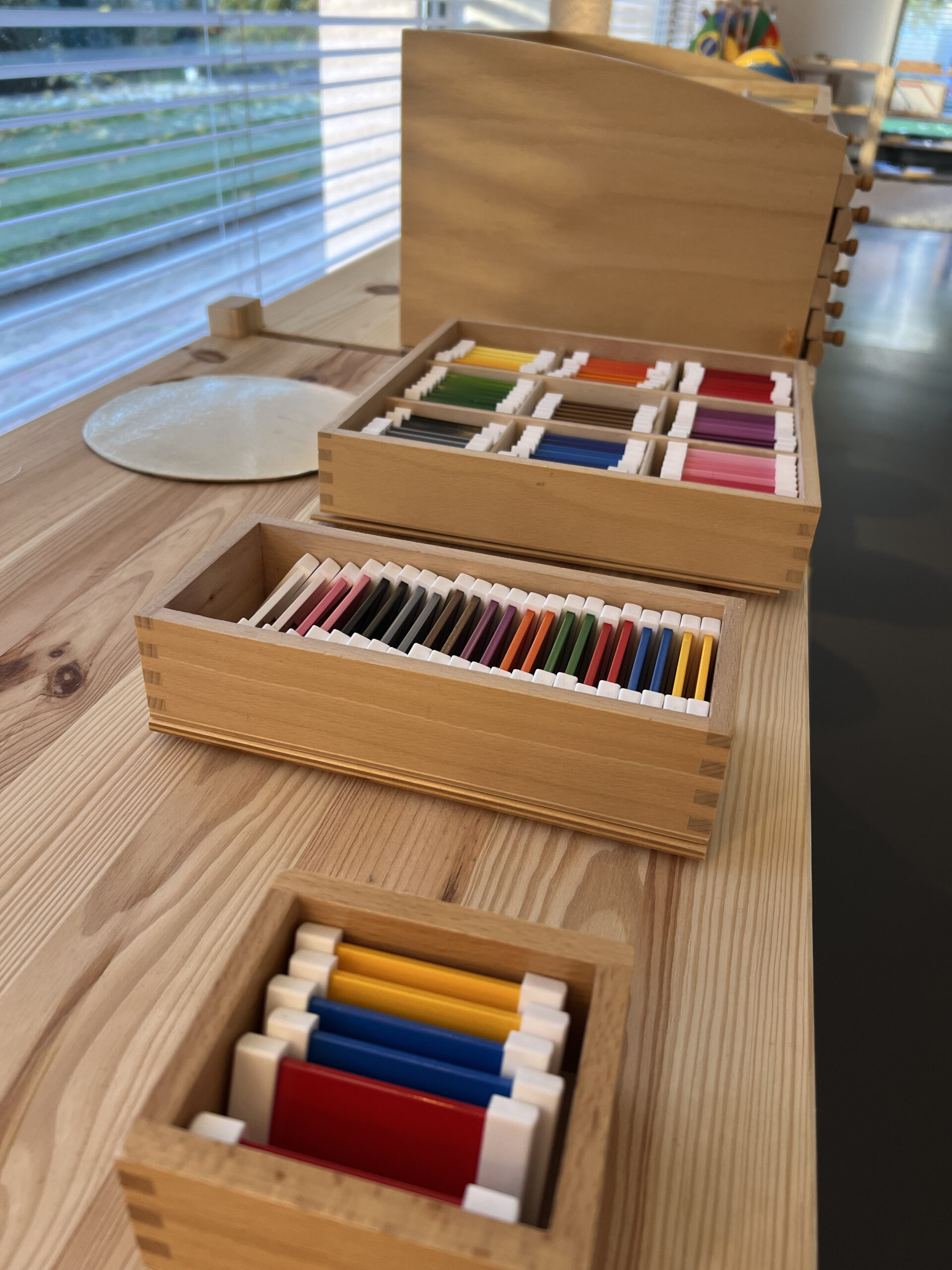
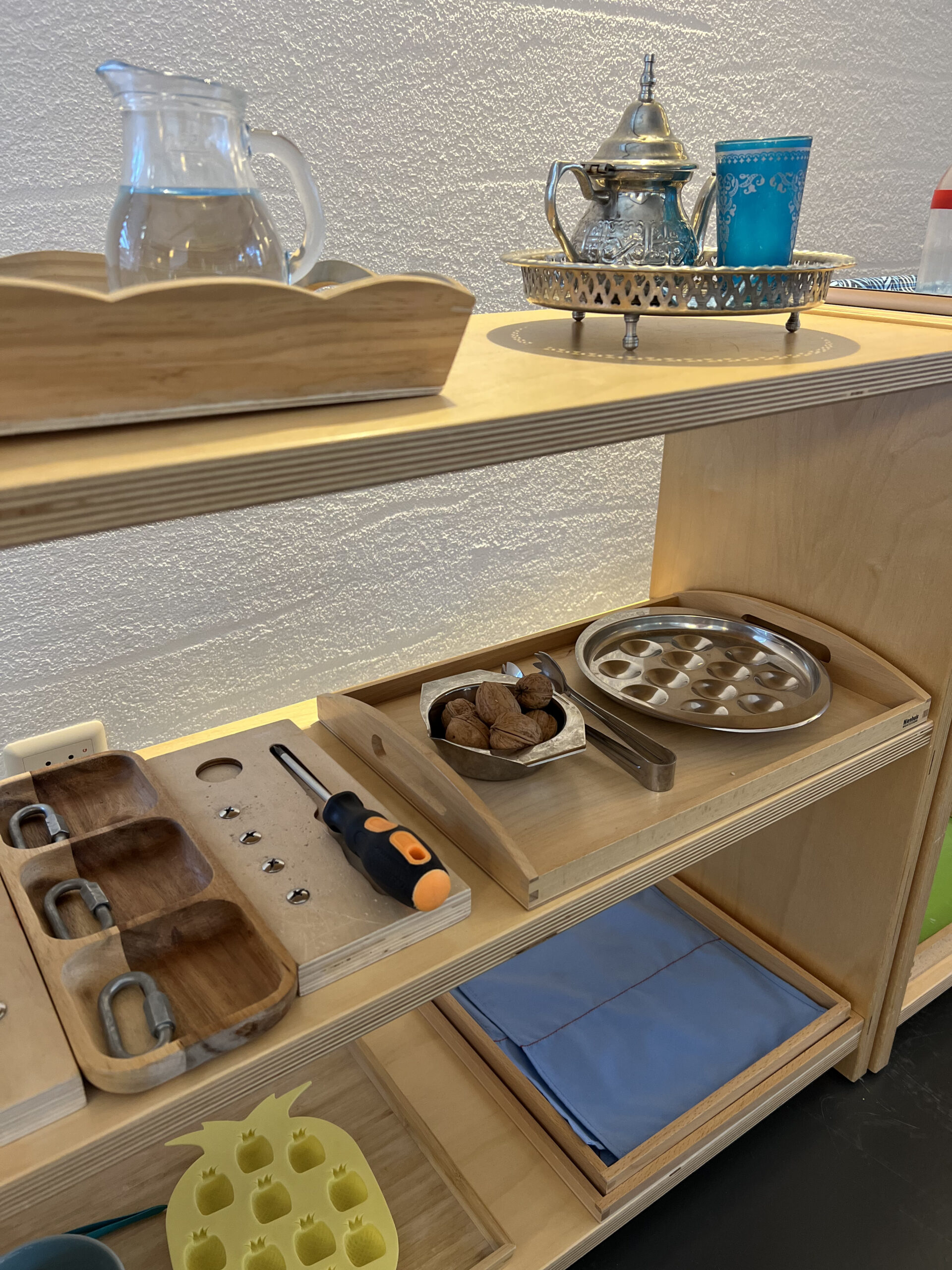
The classroom is equipped with the full range of Montessori materials: practical life, sensory, language, mathematics, and the exploration of the world. Through these materials, children develop their coordination, the foundations of reading, writing, and arithmetic, care for their environment, and daily acts of politeness and kindness. Afternoons are devoted to English, stories and songs in German, visual arts, music, physical education, and outdoor activities.
There's no rush. What matters at this age are a solid foundation, a curious mind, and a genuine love of learning.
Children ages 6 to 12
As students grow older, their learning becomes more structured and challenging. We follow the Plan d’études romand (PER), the official curriculum for French-speaking Switzerland, supplemented with elements from the French and British curricula.
Math is taught every day. Science is taught at a challenging level, but never solely from textbooks: the children observe, ask questions, formulate hypotheses, experiment, and explain. They explore with their own hands the ideas behind abstract concepts before working them out on paper. Starting at age 6, coding and robotics are part of the curriculum, along with logic games and research projects—age-appropriate activities that develop genuine problem-solving skills.
Languages, the humanities and social sciences, visual arts, music, and physical education round out a rich and well-rounded week. The homeroom teacher ensures continuity and gets to know your child as a whole person, while subject-matter specialists bring depth and passion to their respective disciplines.
A Day at Wisdom Tree
Each day begins at 8:30 a.m. with a warm welcome and a few quiet minutes spent writing in the gratitude journal—a gentle start that sets the tone for the rest of the day.
Mornings are devoted to learning activities that require concentration: Montessori work for the youngest children; language, math, and science for the older ones. After lunch, the school takes on a different rhythm—painting and clay in the art studio, singing, German and English, and sports with our physical education teacher. The school day ends at 3:30 p.m., with childcare available from 7:30 a.m. until 6:00 p.m. for families who need it.
Creativity, Movement, and Nature
The Head, the Heart, and the Hands
We believe that the scientist and the artist within every child need each other.
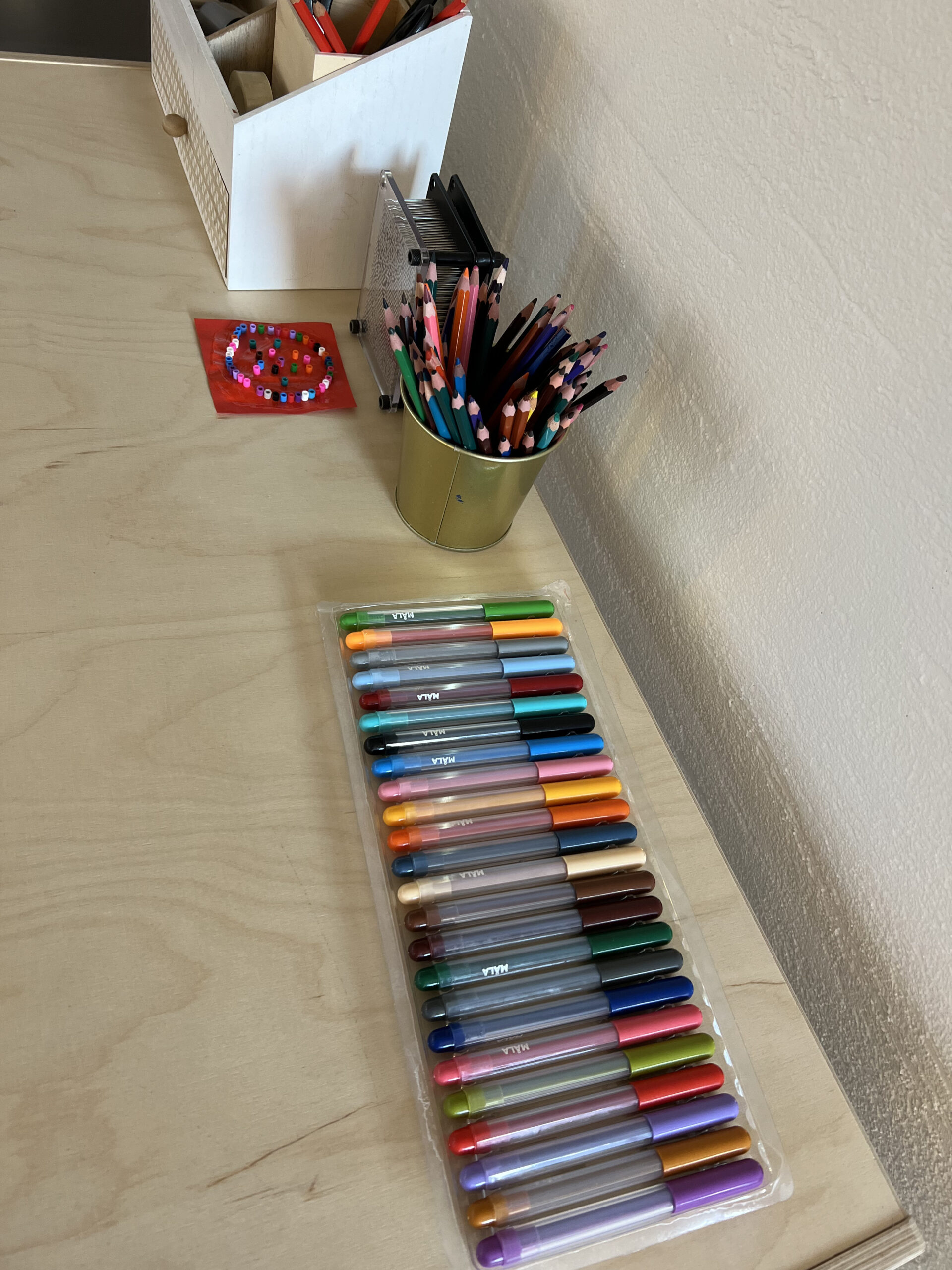
Visual Arts. Visual arts are taught by a practicing artist. Here, we don’t just do “crafts”: the youngest children explore color, shapes, and clay; as they grow older, they move on to drawing, oil painting, pottery, and longer-term projects inspired by artists and nature, which they often set out to explore.
Music. Our music specialist brings the week to life through songs, listening activities, and ensemble music—to foster confidence, concentration, and joy.
Movement. A dedicated physical education teacher helps develop coordination, physical fitness, and teamwork. Active children are happier and more focused students.
Nature. Our garden is an integral part of everyday school life, and the children regularly spend time in nearby parks, playgrounds, and forests, where walks and hands-on experiences extend their outdoor learning. The older students also participate in math challenges and competitions.
Technology
Ready for Tomorrow, Grounded in What Matters Most
Our children will grow up in a world shaped by technology. That’s why we introduce them early on—and in a fun way—to coding, logic games, and robotics—often without any screens at all. Screens are not part of our core curriculum. Children use them only when they are truly necessary, during robotics sessions—as a tool for a specific task, never as a substitute for learning, play, or real-world experience. Social media is not allowed at school. Instead, we keep children grounded in what makes us human: handwriting, imagination, exploration, conversation, and time spent in nature.
SCHOOL TRIPS
Some things can’t be learned from books. Throughout the year, the children go on carefully selected field trips that bring their learning to life—each one tied to what they’re learning in class.
This year's plans includes:
- Science and Technology – science and robotics workshops at EPFL and UNIL, and interactive exhibits at the Espace des Inventions
- Art and Culture – Sketching at the Cantonal Museum of Fine Arts at Plateforme 10, theater for young audiences, opera workshops at the Opera, and visits to the library
- History and Exploring the World— Lausanne’s history and archaeology museums , the Olympic Museum, and a behind-the-scenes tour of RTS
- Nature—the Servion Zoo, a sensory trail in the Jorat Woods, the Aubonne Arboretum in the spring, and the Lausanne Botanical Garden—not to mention regular outings to nearby parks, playgrounds, and forests
In small groups, field trips are calm, safe, and full of meaningful interactions. Whether traveling by bus, subway, or train, the children also learn to find their way around their own city and come back full of questions. Their discoveries are often included in their portfolios so you can share them at home.